
Richard Wyce Blog: Latest News, Cello Performances & Art Galleries

Welcome to the central creative hub of Wyce Arts Enterprises. Explore classical cello performance videos, music essays on audition dynamics and technique, and original fine art galleries featuring oil paintings, watercolors, and sketches by cellist and artist Richard Wyce. Read my full background on the Richard Wyce Biography page.

Why Instrument Quality Can Unfairly Influence Orchestra Auditions

Cello
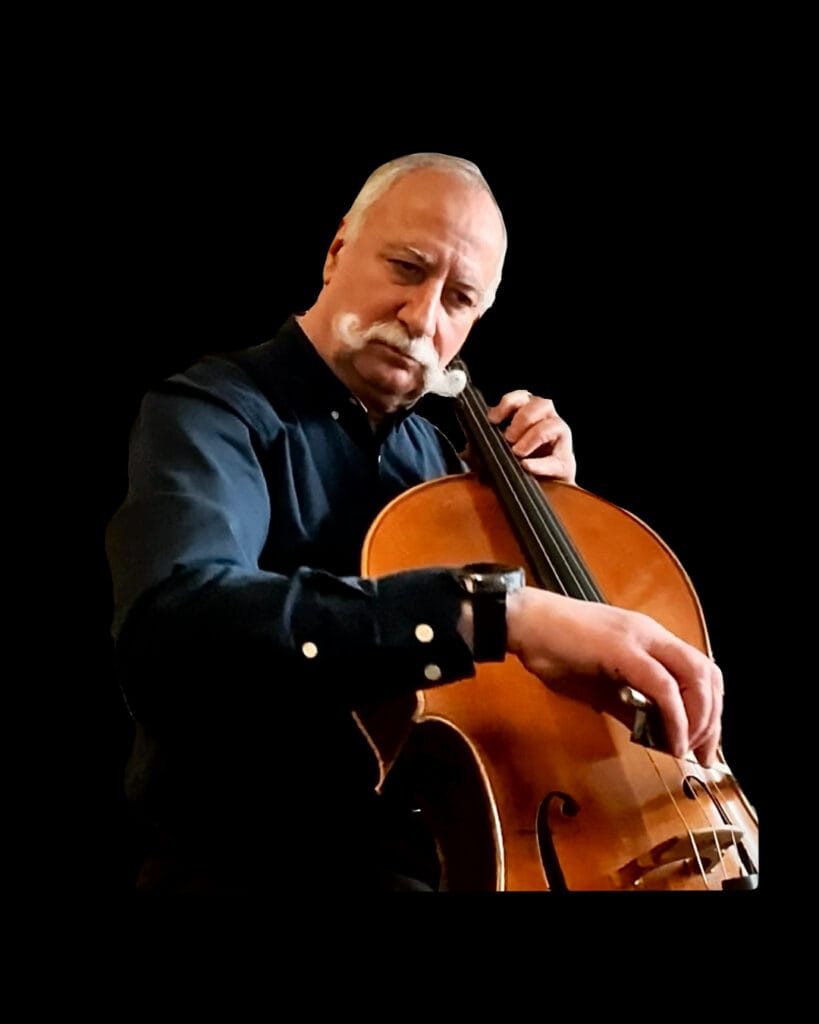
Man with a white handlebar mustache playing a cello demonstrating instrument quality
Richard Wyce playing cello

Instrument Quality as an Unintended Factor in Auditions

Musicians are judged through tools whose quality can materially affect both the ease with which they perform and the sound by which their ability is assessed.

Even when musicians are evaluated with complete integrity, audition conditions may introduce variables, (such as instrument quality), that adjudicators cannot fully control.

In a symphony orchestra audition, two musicians may have nearly equivalent ability, technical skill, and experience, yet one may be assessed more favourably partly because of the instrument and, in the case of stringed instruments, the bow being used.

For example, Musician A may play an exceptional Stradivarius, while Musician B uses a competent but less distinguished instrument. The panel may hear greater richness, complexity, or projection from Musician A and attribute it to musicianship, when some of it may stem from the instrument itself.

A superior instrument and bow may also be more responsive and easier to play, requiring less effort to produce sound, dynamics, and expression, thereby enabling a wider expressive range with less exertion.

This creates a methodological concern: the advantages provided by the instrument and bow may be neither intentional nor fully perceptible to the panel, which cannot directly separate their contribution from the musician’s own abilities.

As a result, equally skilled musicians may perform under unequal conditions, with one benefiting from greater ease, tonal richness, and projection, while the other must work harder to achieve similar results.

The panel may remain entirely impartial in intention while still being influenced by this inherent inequality.

The issue is not whether a Stradivarius or other prestigious instrument or bow makes a musician superior—it does not—but whether its quality and responsiveness can affect how that musician’s performance is perceived.

I contend that it can.

This article is also available on my external blog
I made this video to honour the memory of my friend Lalé Kant.

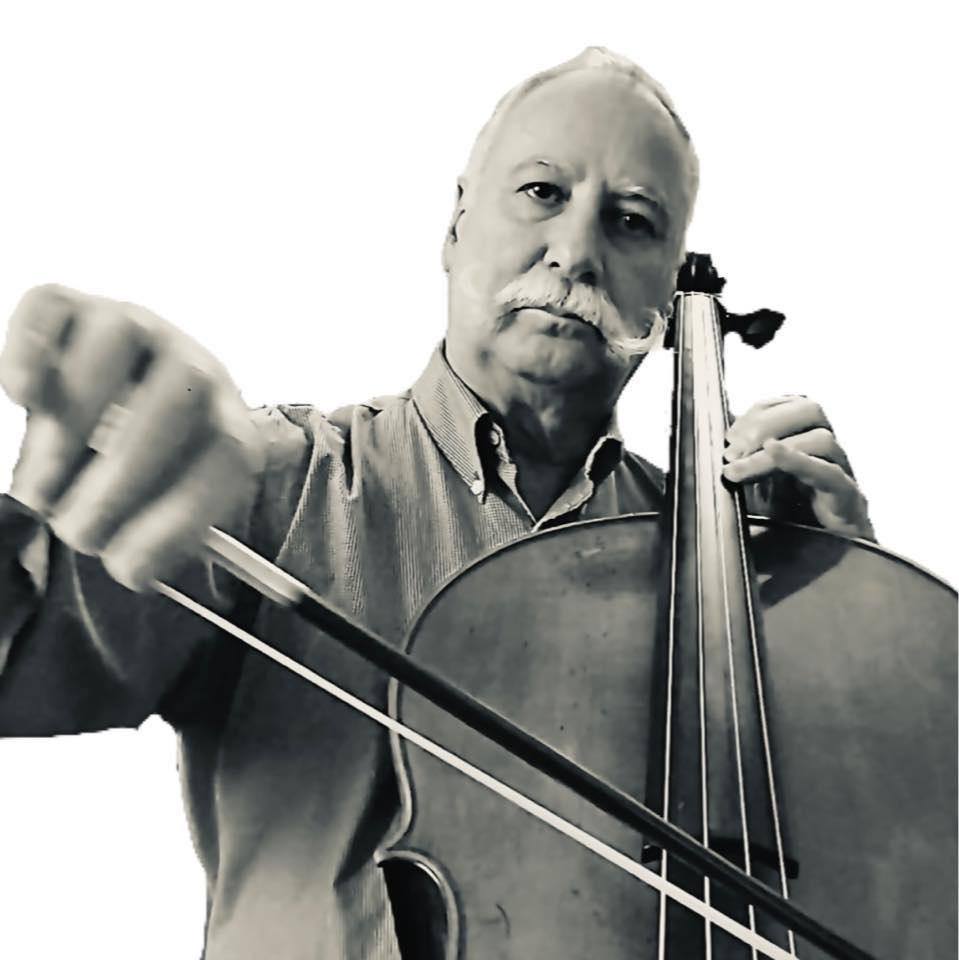
Me playing
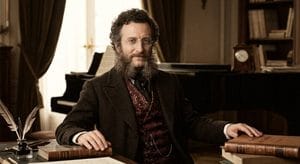
Bearded man,Jacques Offenbach, in 19th-century attire seated at a desk with leather-bound books, quills, and a grand piano in the background - image for video
Composer Jacques Offenbach

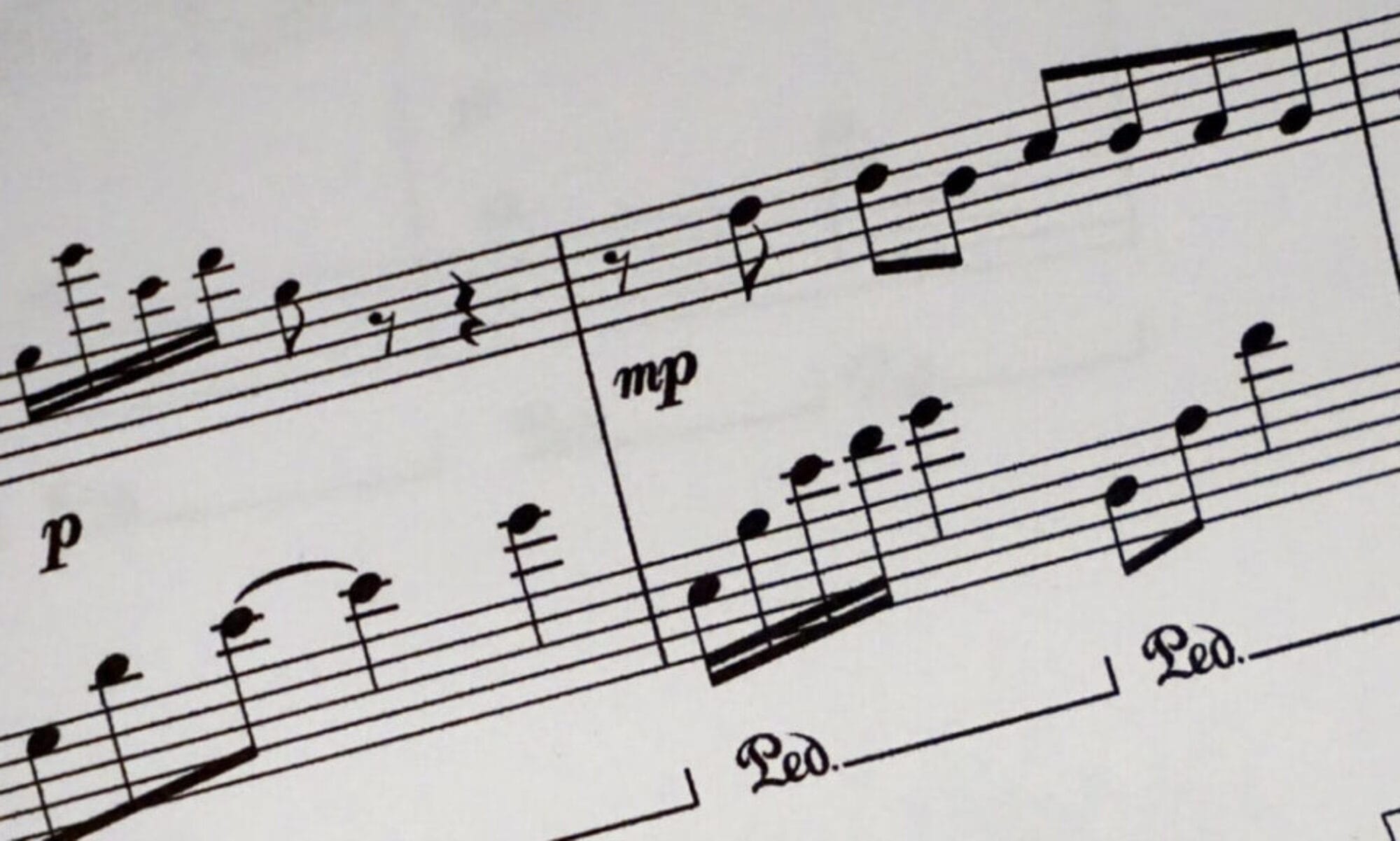
Les Larmes de Jacqueline by Jacques Offenbach video

“Les Larmes de Jacqueline” is a captivating composition by the renowned composer Jacques Offenbach. Known for his mastery in operettas and musical theatre, Offenbach’s work often combines wit, elegance, and emotional depth. Furthermore, this particular piece exemplifies his ability to evoke profound feelings through melodic richness and expressive harmony.

The composition reflects themes of sorrow and longing, conveyed through intricate musical arrangements that resonate with listeners on an emotional level. Offenbach’s signature style is evident in the delicate balance between lightness and melancholy, creating a compelling auditory experience.

Performed by talented musicians, “Les Larmes de Jacqueline” continues to be appreciated for its artistic depth and historical significance within the realm of classical music. Its enduring appeal lies in Offenbach’s skillful blending of lyrical beauty with expressive storytelling, making it a timeless piece worth exploring for enthusiasts of refined musical artistry.

My YouTube channel

Back to Home page

This should make you tap your toes!

Musicians of the World Symphony Orchestra

The Musicians of the World Symphony Orchestra (MWSO) is a unique orchestra that brings together musicians from various countries to perform in Montreal. Founded in 2006 by conductor Joseph Milo and his wife Lucy Ravinsky, the MWSO aims to provide a platform for newly arrived musicians to showcase their talent and integrate into the Montreal music community. The orchestra is composed of approximately 50 musicians, with about 80% from 15 different countries and the remaining 20% from Montreal. The MWSO’s mission is to produce symphonic quality concerts accessible to everyone, by regrouping immigrant musicians with Canadian and Quebec musicians. The orchestra’s performances are a testament to the diverse cultural backgrounds of Montreal and the harmonious integration of its communities through music.

Jazz to make you tap your toes

This should make you tap your toes

Excerpt from a recent concert of the Musiacians of the World Symphony Orchestra

#Music #jazz #live

Return to Home page

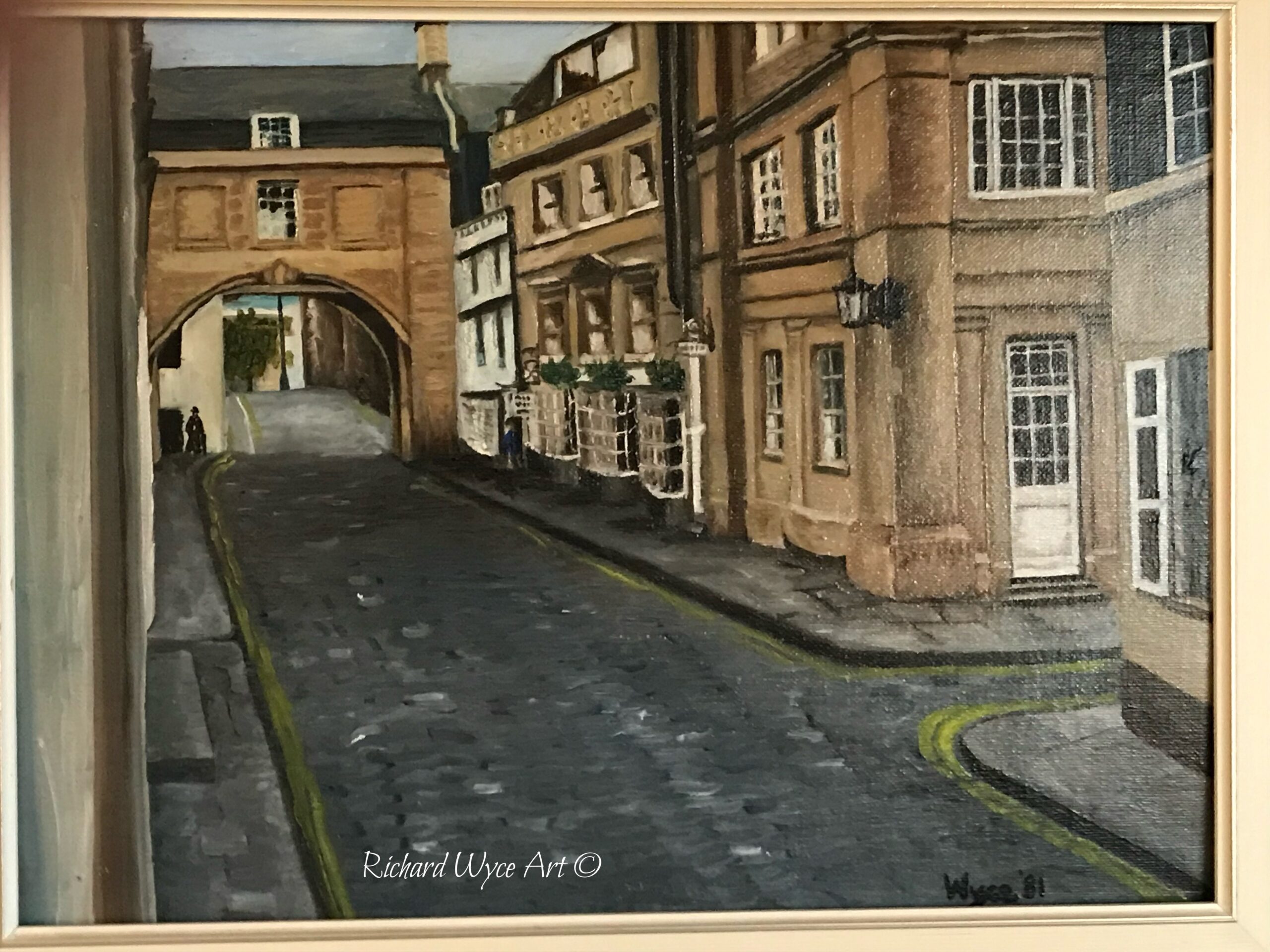
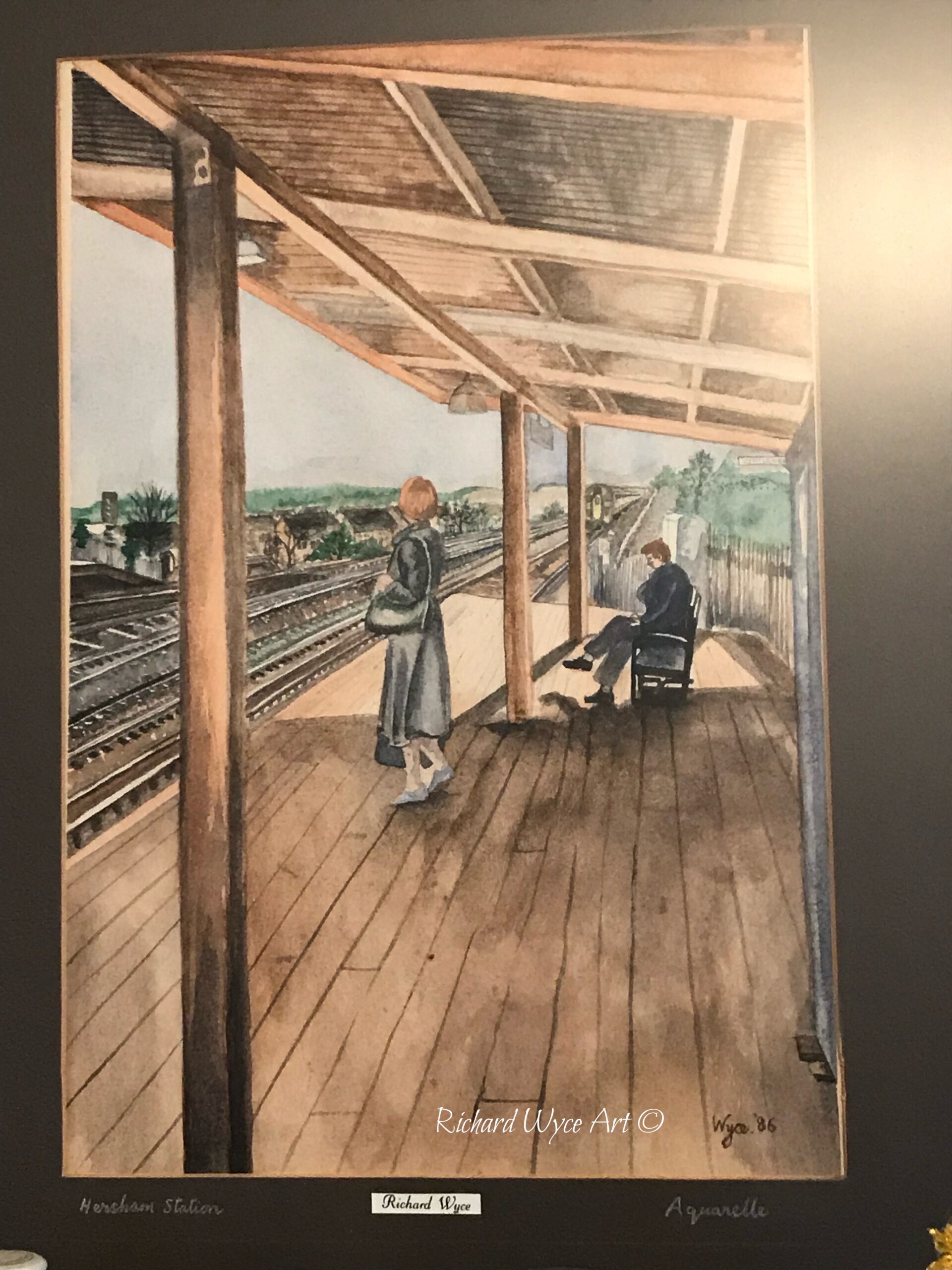
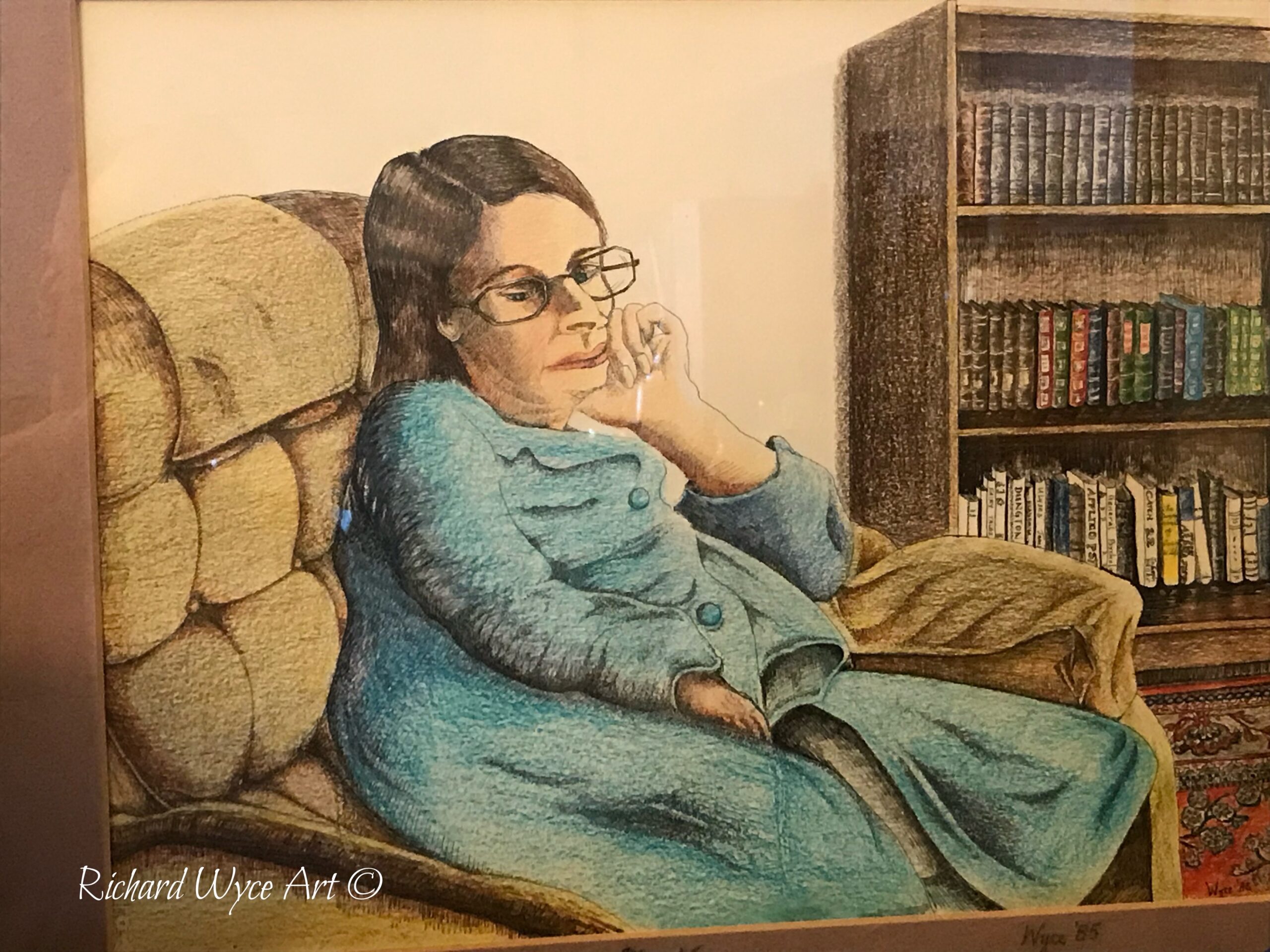
The Reflective Paintings of Richard Wyce

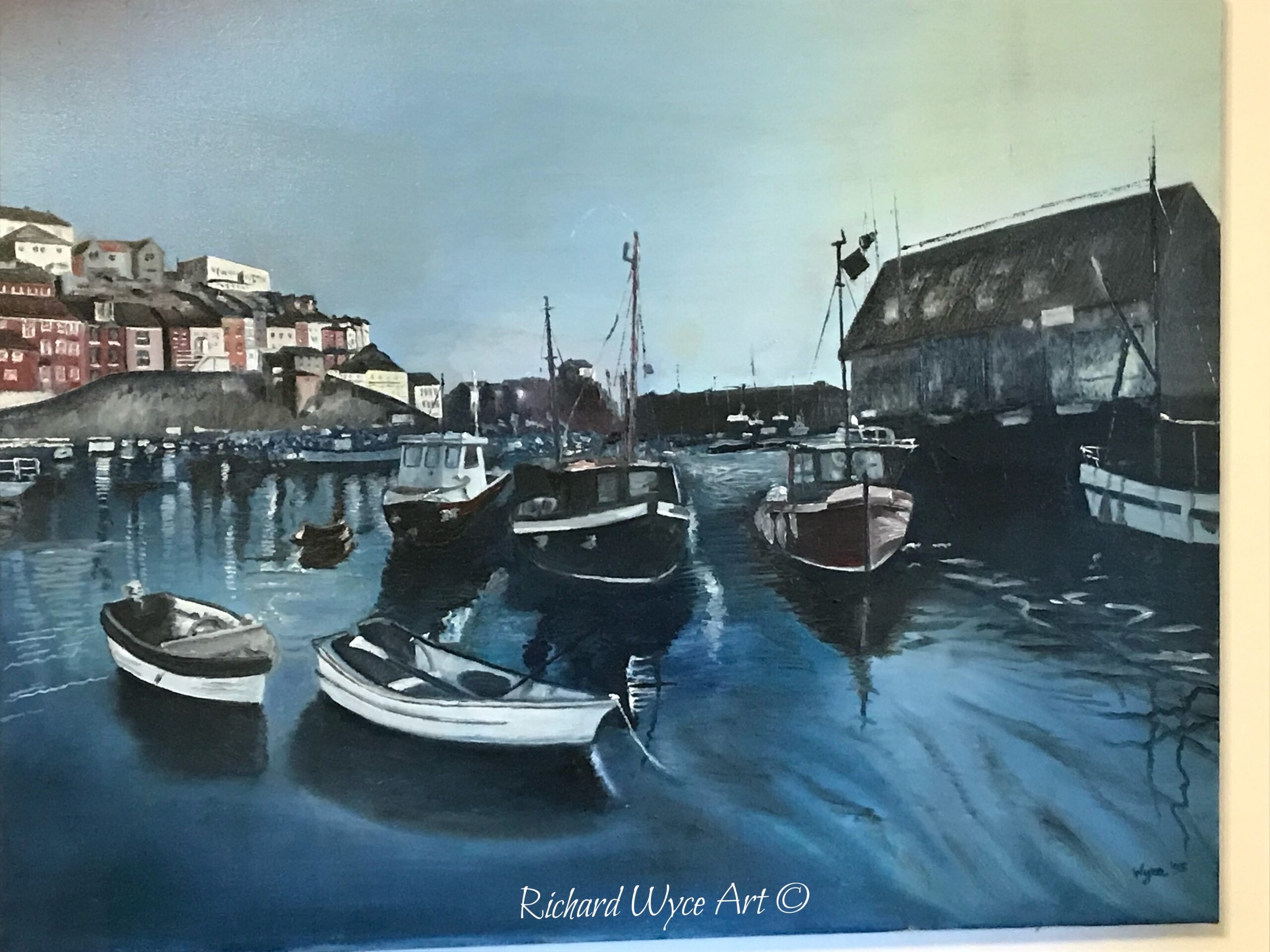
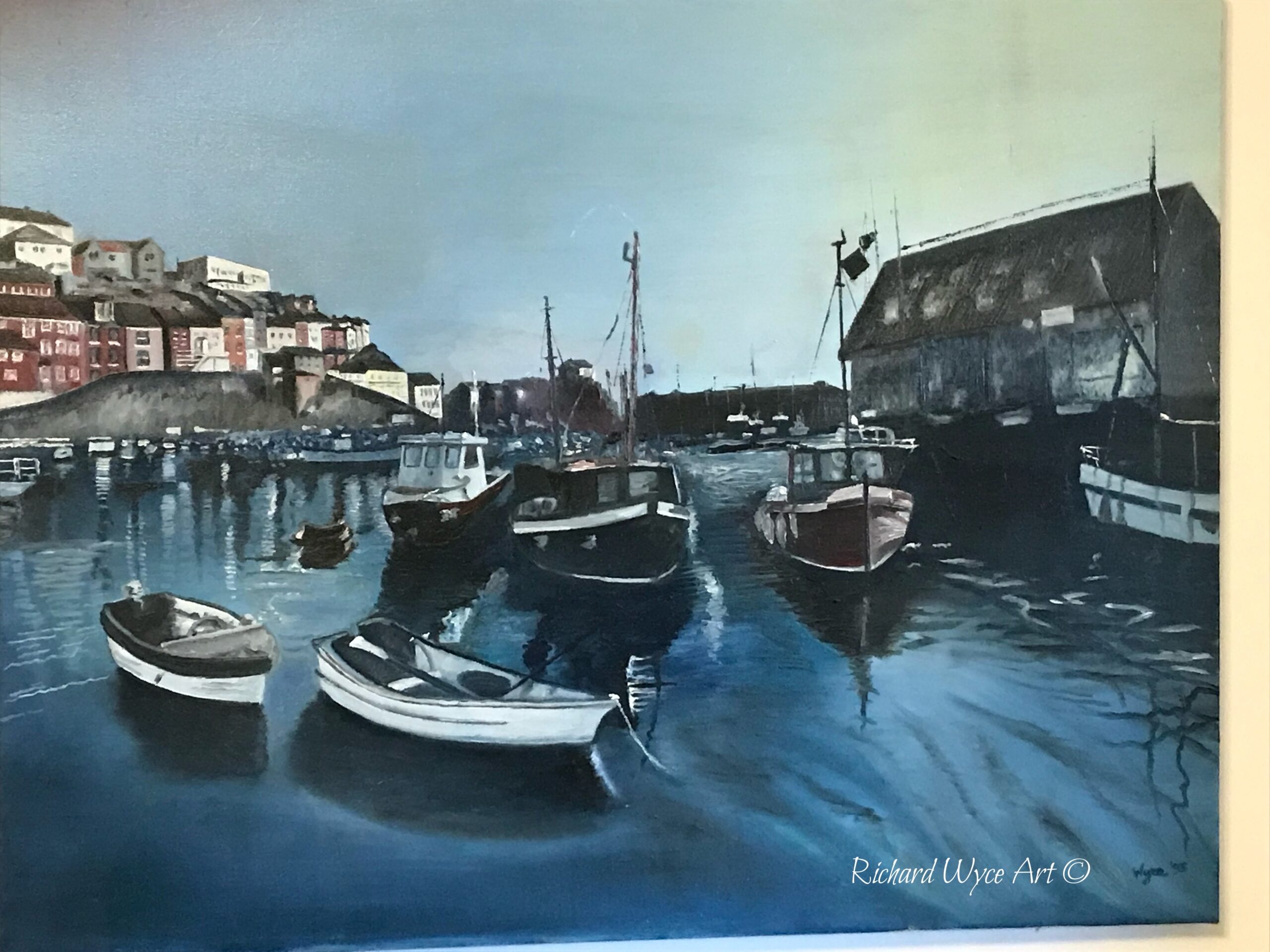
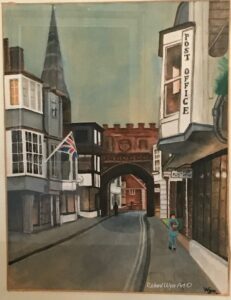
Mevagissey Cornwall England - Oil on canvas From Richard Wyce paintings
Mevagissey Cornwall England – Oil on canvas

The Reflective Paintings of Richard Wyce: Finding Rhythm in Art

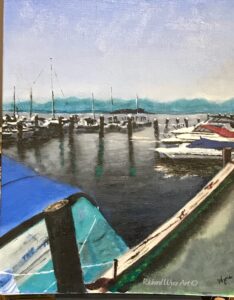
Every art form carries an inherent tempo, but few mediums reveal it as clearly as painting. Beyond color, composition, and physical texture, a painting moves. It holds a cadence defined by light, reflection, and the quiet spaces between brushstrokes.

In my reflective series, the creative process parallels the disciplined practice of a musician. Every stroke functions like a phrase in a musical score—requiring intention, patience, and space to breathe. Rather than chasing dynamic sensationalism, these works focus on quiet depth. The reflective surfaces play with shifting ambient light, creating a visual rhythm that changes as the viewer moves, much like a theme undergoing variations across a movement.

Finding rhythm in art is ultimately about listening—to the canvas, to the subject, and to the movement of light across a surface. It is an exercise in craftsmanship where execution serves emotional communication.

See some of my other creative ideas expessed in my other blog.

See my Arts page