

Instrument Quality as an Unintended Factor in Auditions
Musicians are judged through tools whose quality can materially affect both the ease with which they perform and the sound by which their ability is assessed.
Even when musicians are evaluated with complete integrity, audition conditions may introduce variables, (such as instrument quality), that adjudicators cannot fully control.
In a symphony orchestra audition, two musicians may have nearly equivalent ability, technical skill, and experience, yet one may be assessed more favourably partly because of the instrument and, in the case of stringed instruments, the bow being used.
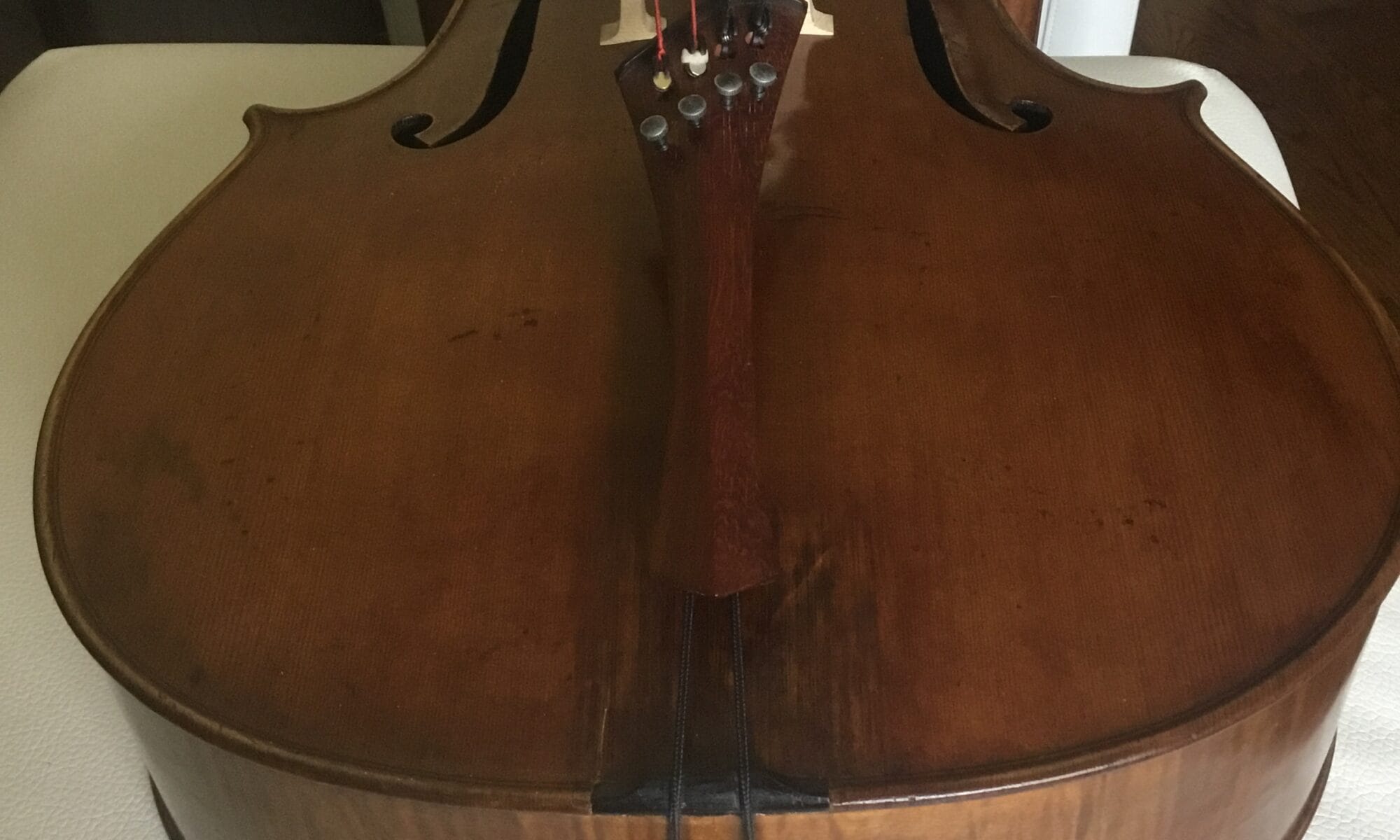
For example, Musician A may play an exceptional Stradivarius, while Musician B uses a competent but less distinguished instrument. The panel may hear greater richness, complexity, or projection from Musician A and attribute it to musicianship, when some of it may stem from the instrument itself.
A superior instrument and bow may also be more responsive and easier to play, requiring less effort to produce sound, dynamics, and expression, thereby enabling a wider expressive range with less exertion.
This creates a methodological concern: the advantages provided by the instrument and bow may be neither intentional nor fully perceptible to the panel, which cannot directly separate their contribution from the musician’s own abilities.
As a result, equally skilled musicians may perform under unequal conditions, with one benefiting from greater ease, tonal richness, and projection, while the other must work harder to achieve similar results.
The panel may remain entirely impartial in intention while still being influenced by this inherent inequality.
The issue is not whether a Stradivarius or other prestigious instrument or bow makes a musician superior—it does not—but whether its quality and responsiveness can affect how that musician’s performance is perceived.
I contend that it can.
This article is also available on my external blog